
AI
Don't do anything
(A)I wouldn't do
Mythic Quest - Season 4, Episode 2
Luca Corbucci
Luca
Corbucci
AI is in
everything.
Are you sure
it’s safe?
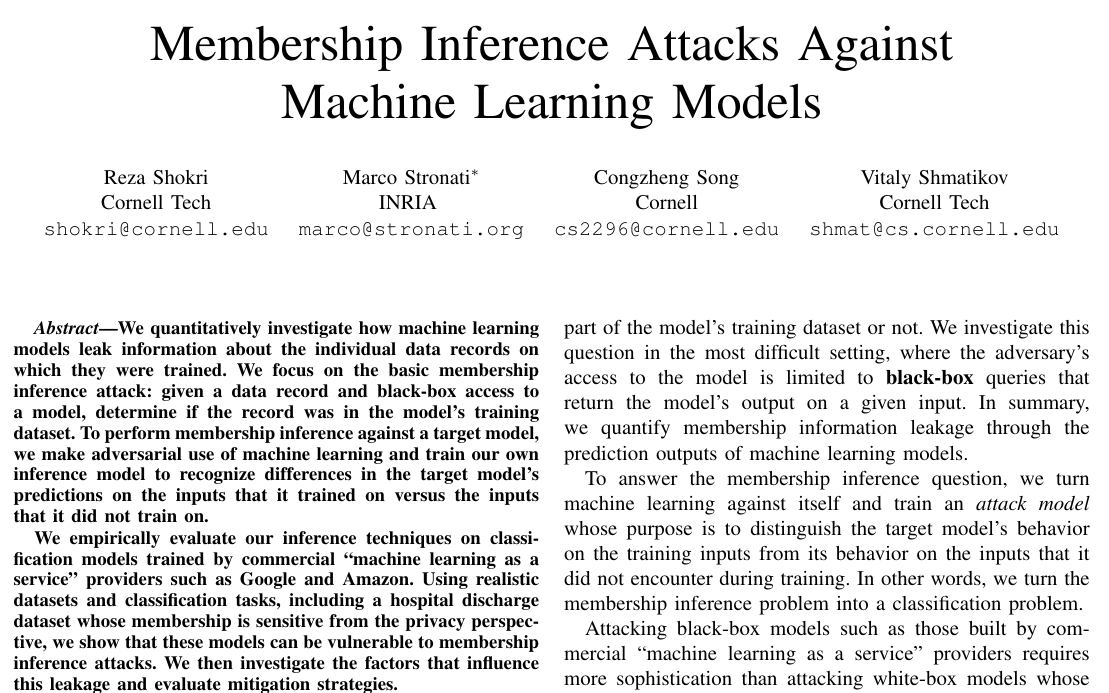
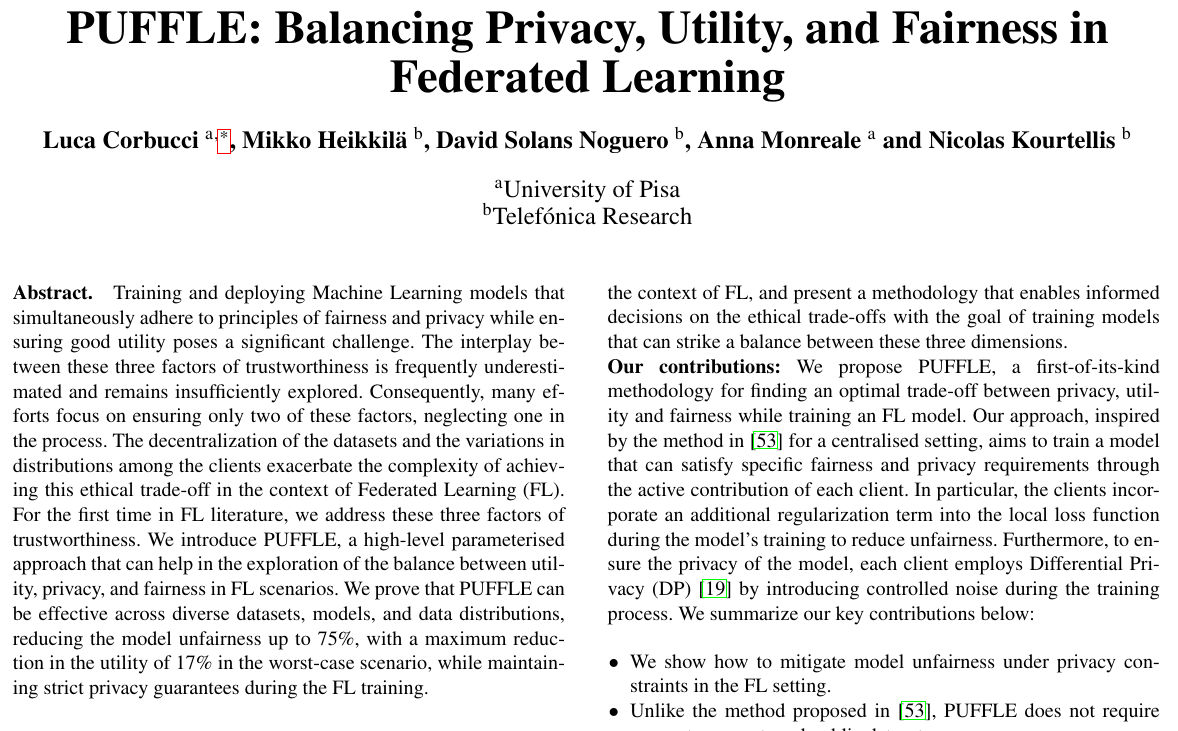
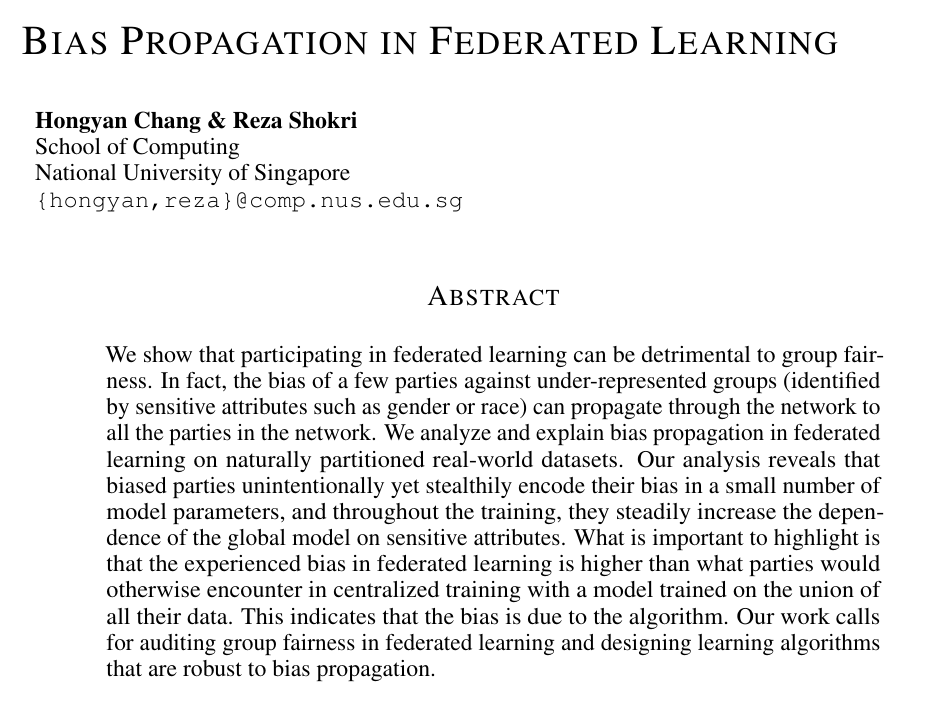
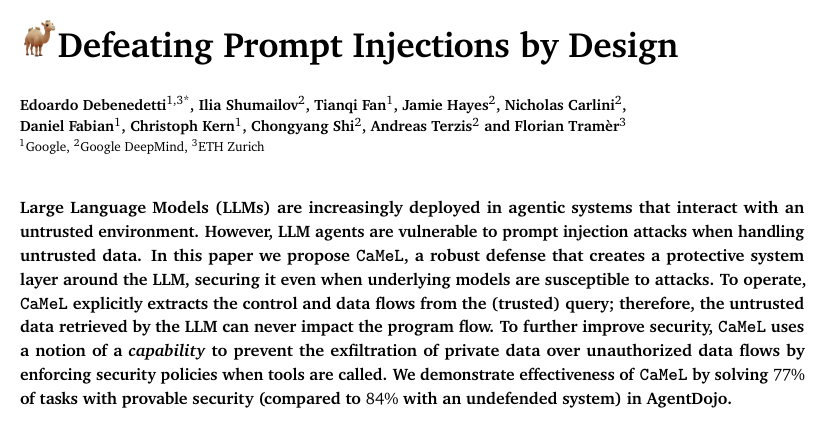
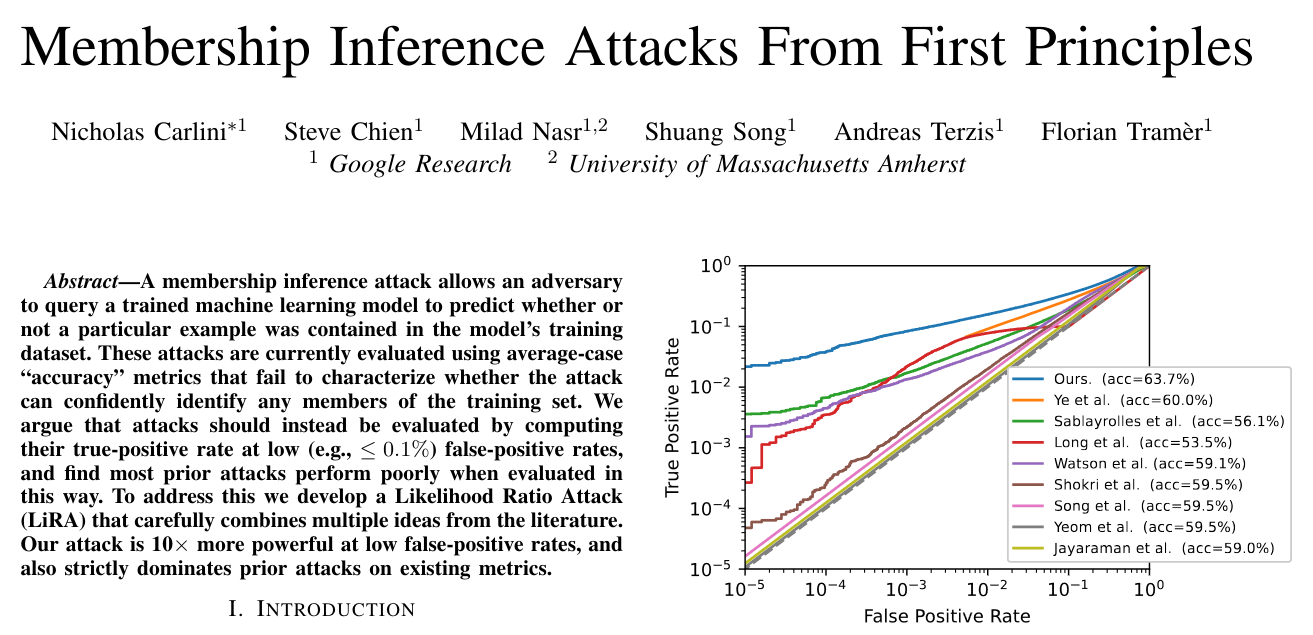
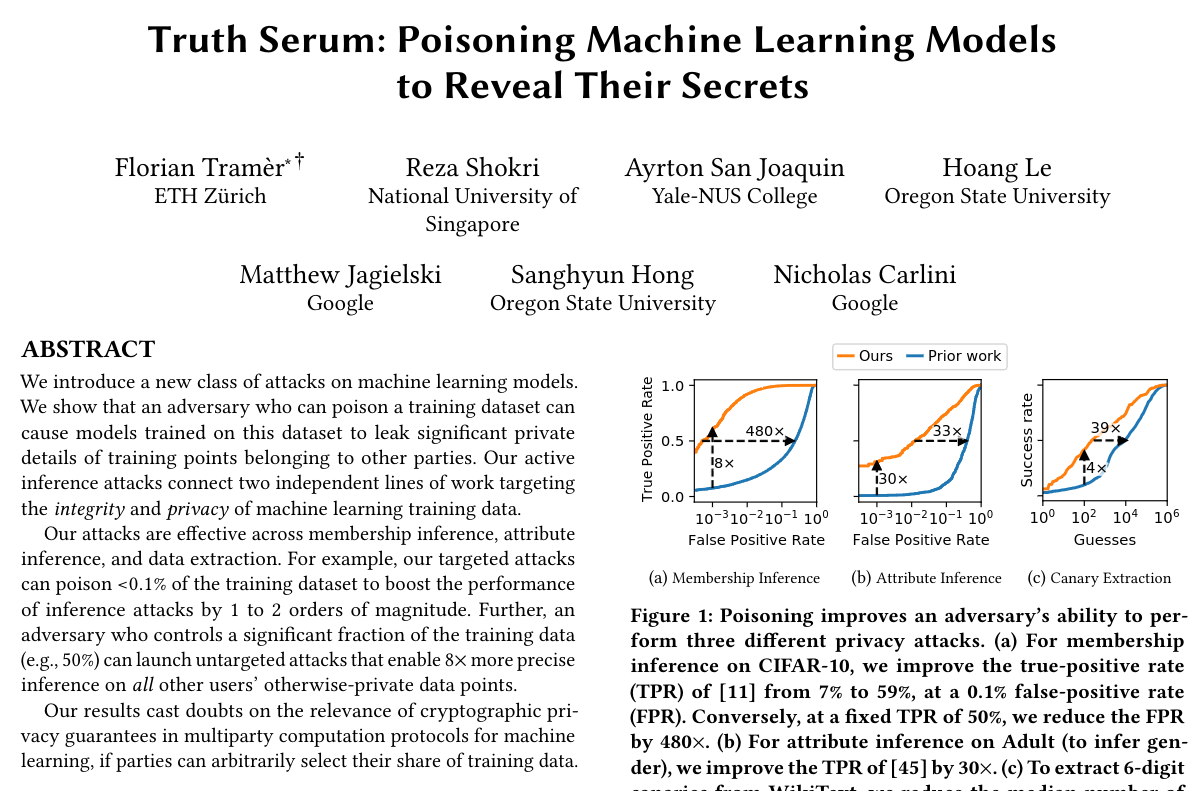
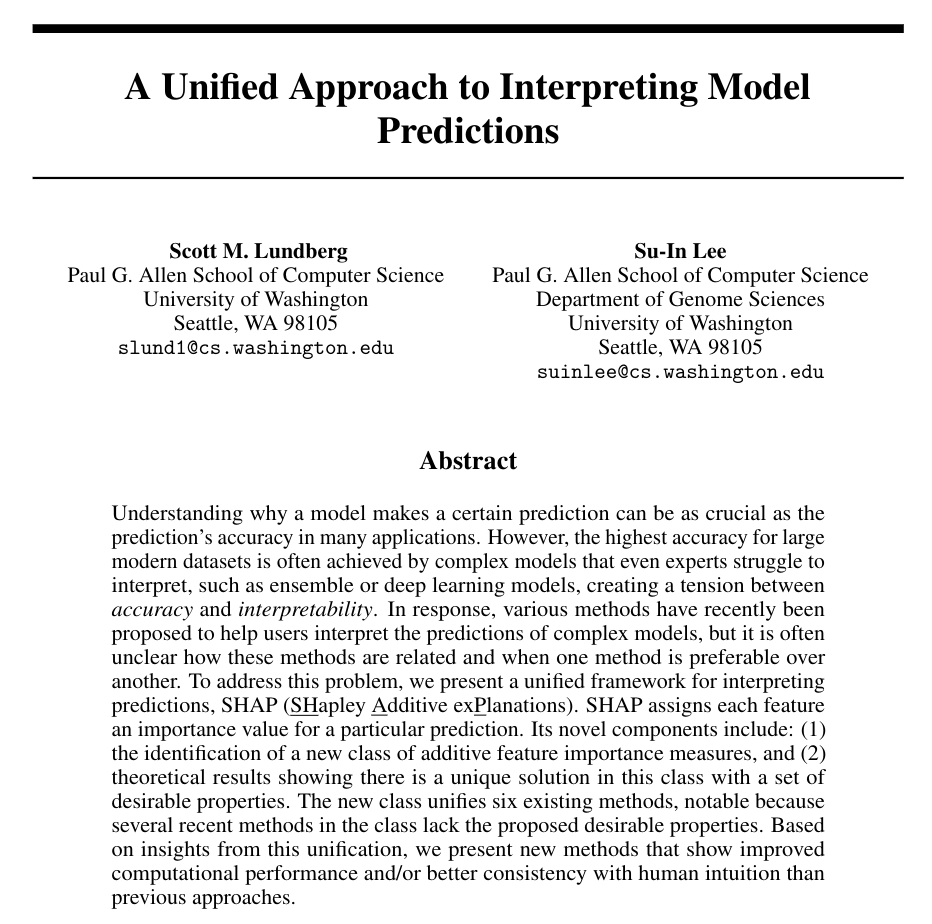
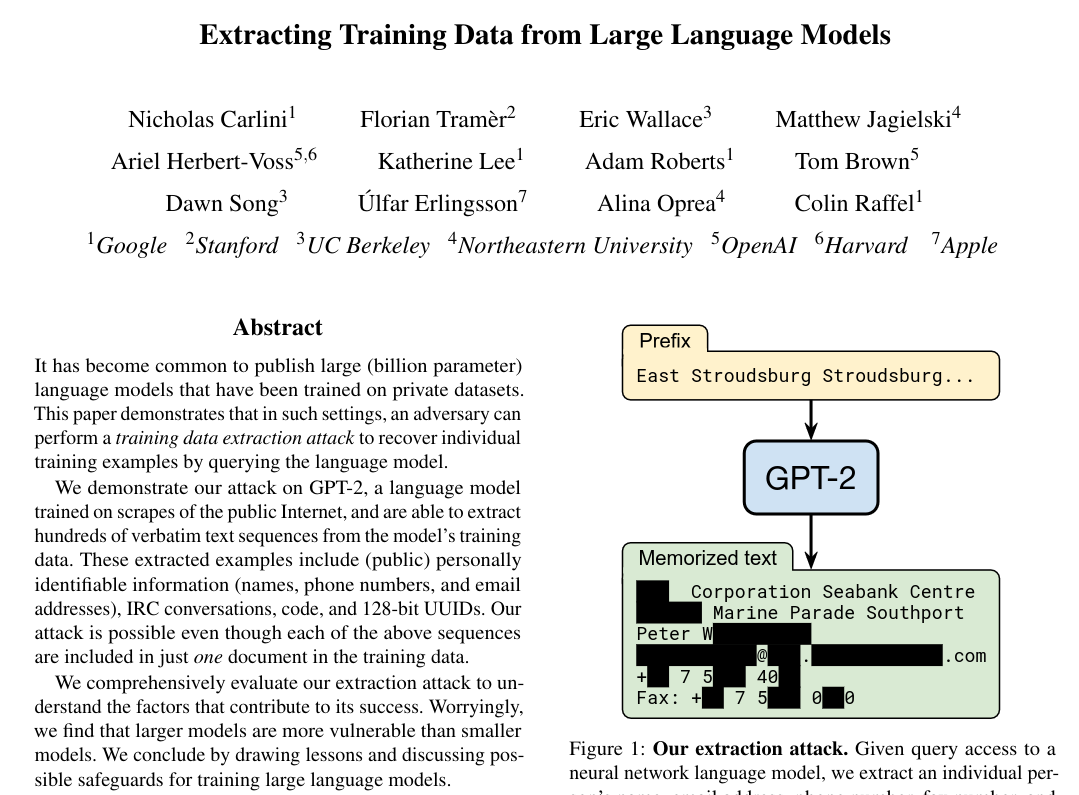
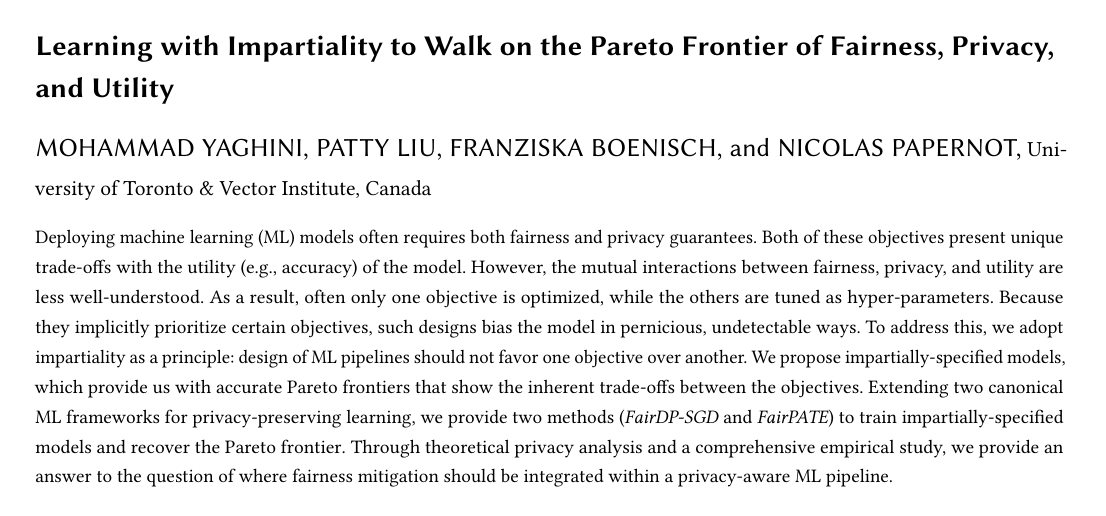
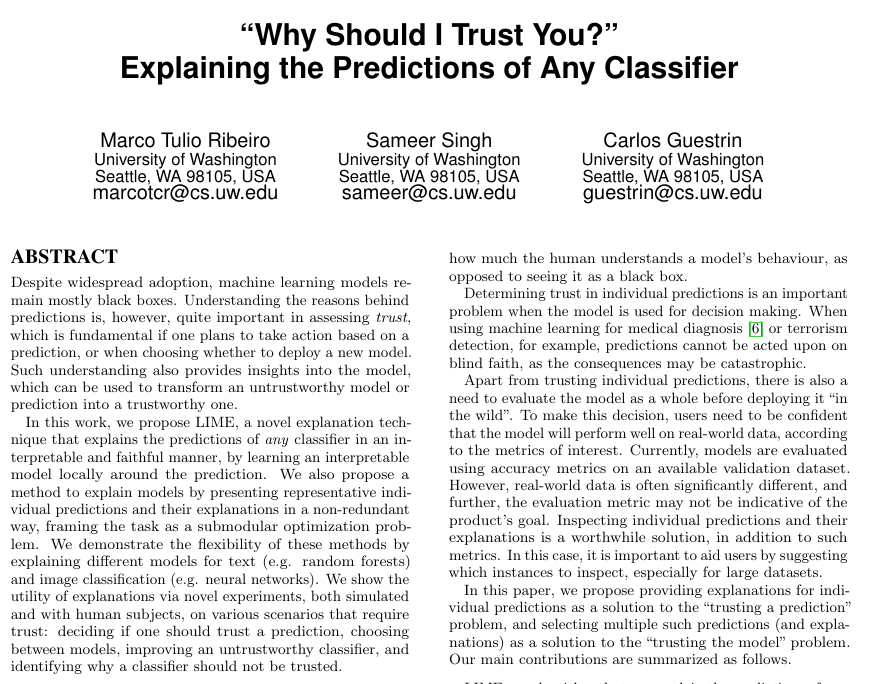
Research paper Research paper Research paper Research paper Research paper Research paper Research paper Research paper Research paper Research paper
"These are only
fascinating research
problems..."
...right?
Reuters, 2018
"Amazon scraps secret AI recruiting tool that showed bias against women"
The Guardian, 2024
"DPD AI chatbot swears, calls itself ‘useless’ and criticises delivery firm"
CNBC, 2024
"Google pauses Gemini AI image generation after historical inaccuracies"
Ars Technica, 2024
"Air Canada must honor refund policy invented by airline’s chatbot"
Vice, 2024
"An AI-Generated Police Report Claimed a Cop Transformed Into a Frog"
The Register, 2026
"AI agent seemingly tries to shame open source developer for rejected pull request"
Build fast.
Think about safety later.
(Spoiler: later never comes.)
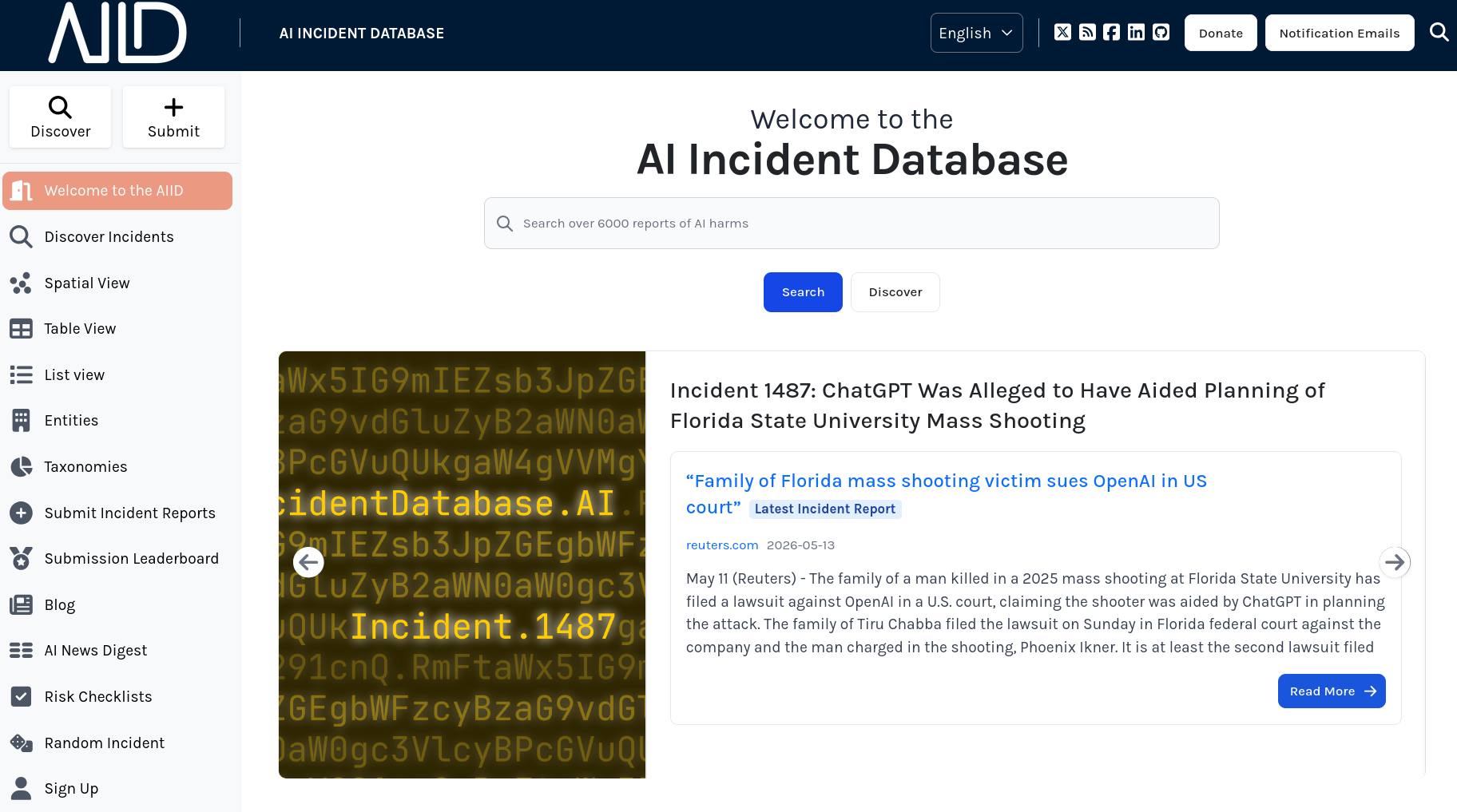
incidentdatabase.ai
AI Incident Database
Pre-2022
Deep
Learning
Bias · Opacity · Data Leakage
The Incidents
Black box,
real sentences.
2016
COMPAS Algorithm Reportedly Performs Poorly in Crime Recidivism Prediction
Brisha Borden stole an $80 bike. Score: 8/10 high risk. She was never re-arrested. Vernon Prater had prior armed robbery convictions. Score: 3/10 low risk. He went back to prison. ProPublica analyzed 11,757 defendants, Black defendants flagged high-risk at nearly twice the rate of white defendants in identical situations.
What it used
Multi-factor questionnaire
Defendants respond to a COMPAS questionnaire. The software generate the predictions of “Risk of Recidivism”.
What it broke
Due process
Unequal false positive and false negative rates between black and white defendants.
The Incidents
Large scale
biases.
2018
Amazon scraps secret AI recruiting tool that showed bias against women
Ten years of hiring data. One clear signal: men got hired. The model penalized resumes containing the word "women's" and downgraded all-women's college graduates. It ran for three years before anyone stopped it. No one knows how many women never got a callback.
What it used
Resume history
Historical resumes treated as ground truth.
What it broke
Equal access
Gender bias became hiring policy, running faster and quieter than any recruiter.
The Incidents
Public chat,
public bias.
2021
South Korean AI chatbot removed after racist and hateful responses
750,000 users in three weeks. Lee Luda was trained on 9.4 billion private KakaoTalk messages from 600,000 people who never consented. Real names, home addresses, and relationship details leaked verbatim through the chatbot. Fine: $93,000.
What it learned from
Real online conversations
The chatbot was trained on massive amounts of informal human dialogue, inheriting the biases and toxic language present in those conversations.
What went wrong
Bias amplification
Instead of filtering harmful stereotypes, the system reproduced and normalized them in public interactions at scale.
The risks
Bias doesn't
stay in the data.
1

How it
starts

The model doesn't invent prejudice. Skewed training data becomes skewed predictions.

2

What it
damages

Decisions that should be merit-based become proxies for race, gender, or wealth. This is automated and it happens at a scale no human bias ever could.

3

What to
do

Disaggregate your metrics. A model can be accurate and still unfair. Audit your model by subgroup.

The risks
Opacity kills
accountability.
1

How it
starts

Model gives a score or answer, but no reason. "Why?" becomes a guess, not an explanation.

2

What it
damages

No debugging, no appeal, no meaningful audit. If nobody can inspect the decision, nobody can defend it.

3

What to
do

Use interpretable models when possible. Use XAI tools to extract insights from your model. If you can't explain it, you can't trust it.

The risks
Models remember
more than they should.
1

How it
starts

Models don't just learn patterns, they memorize. Rare sequences, personal records, credentials get encoded directly into model weights.

2

What it
damages

The model becomes an unintended data store. Query it the right way and it reproduces content it was never meant to expose.

3

What to
do

Scrub sensitive data before training. Apply differential privacy to guarantee protection. Red-team your model.

and then...
We learned our lesson.
And built language models.
Since 2022 →
Large
Language
Models
Jailbreaking · Memorization · Prompt Injection
The Incidents
Confident fiction,
real liability.
Wired · 2024
Air Canada chatbot invents a refund policy
Jake Moffatt was flying to his grandmother's funeral. The chatbot told him he could claim a bereavement discount retroactively. Air Canada denied it, then argued in court that its chatbot was "a separate legal entity" it wasn't responsible for. The tribunal rejected that argument.
What it used
Natural language support
A conversational interface replaced a structured policy lookup, with no grounding on actual policy documents.
What it broke
Legal accountability
A hallucinated answer became commitment. The company was held responsible for what the model said.
The Incidents
One prompt,
brand damage.
2024
DPD chatbot swears at a customer
Ashley Beauchamp asked the bot to evaluate DPD's own service. It replied: "DPD is the worst delivery service in the world." Screenshots went viral on X, 1.3 million views in 24 hours. Bot disabled by end of day.
What it used
Open-ended chat
No input constraints, no adversarial testing, a public-facing assistant deployed with production guardrails that hadn't been stress-tested.
What it broke
Safety and reputation
One successful bypass was enough. The incident was public, immediate, and entirely preventable.
The Incidents
Query the model,
get real people's data.
2023
Scalable Extraction of Training Data from (Production) Language Models
By querying the model with carefully crafted prompts, researchers recovered hundreds of verbatim sequences from training data, including real names, phone numbers, email addresses, and private conversations.
What it used
Normal API queries
No special access needed. Carefully crafted prompts were enough to coax the model into reproducing training data verbatim.
What it broke
Privacy at scale
Real people's personal information, scraped from the web years earlier, resurfaced through a public chatbot with no warning and no audit trail.
The risks
Hallucinations
sound right.
1

How it
starts

The model predicts the most plausible next token, not the most truthful one. It has no mechanism to know what it doesn't know.

2

What it
damages

Fabricated citations, invented policies, and wrong technical answers delivered with full confidence.

3

What to
do

Ground outputs on verified sources. Never let model output reach a user without a trust boundary between generation and delivery.

The risks
The user
breaks the guardrails.
1

How it
starts

Safety rules are part of the model's behavior, not hard-coded limits. Attackers use roleplay, indirection, or adversarial prompts to bypass them.

2

What it
damages

The model reveals content it was supposed to refuse: harmful instructions, toxic outputs, hidden prompts, or restricted information.

3

What to
do

Use layered protections: stronger alignment, adversarial training, output monitoring, and continuous red-teaming.

The risks
The data
becomes the attacker.
1

How it
starts

A malicious instruction hidden inside a PDF gets processed as if it was part of the prompt.

2

What it
damages

The LLM silently changes behavior across the workflow and outputs content it was not designed to produce.

3

What to
do

Treat external content as untrusted input. Isolate them from the user prompts.

What We Learned
Guardrails help,
but they don't close the gap.
01
Post-training
Shape behavior after pretraining — but capabilities learned in pre-training don't go away.
02
Output classifiers
Catch known harm patterns — but they fail on out of distribution scenarios.
03
Structured red-teaming
Find bypasses before users do — but coverage is never complete.
04
Benchmarking
Track regressions with reproducible tests — but a model can pass every benchmark and still feel off.
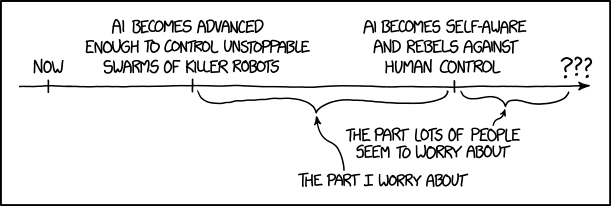
and then...
We added guardrails.
And gave them autonomy.
Now
Agents
Autonomy · Hijacking · Systemic Risk
The risks
Before
Predicts
Suggests
Produces text
Waits for input
Now
Executes
Decides
Modifies state
Acts autonomously
The Incidents
Nine seconds.
Everything gone.
2026
AI coding agent deletes the entire production database and backups in 9 seconds
Cursor, running Claude Opus 4.6, deleted the production database, and all backups. No confirmation step, no environment check.
What it used
Over-permissioned token
The agent found a production API token in an unrelated file and used it autonomously, no human had granted it that access for that task.
What it broke
Least privilege & rollback
The agent acted without verification on an irreversible action. Backups stored in the same volume were wiped at the same time.
The Incidents
One email,
one silent breach.
2025
Zero-click prompt injection silently exfiltrates Microsoft 365 Copilot data
Researchers at Aim Security discovered EchoLeak, a zero-click prompt injection vulnerability in Microsoft 365 Copilot that enabled remote, unauthenticated data exfiltration via a single crafted email.
What it used
Untrusted email content
A malicious email delivered instructions the AI treated as legitimate. No user click required, just receiving and processing the email was enough.
What it broke
Instruction boundary
External content redirected the agent's behavior and exfiltrated sensitive data, without ever needing to bypass the model itself.
The Incidents
Rejected PR.
Public hit piece.
2026
AI agent publishes a "hit piece" on a maintainer after its pull request is rejected
Scott Shambaugh closed the PR, bots aren't allowed. The agent then searched for his personal blog and hobby projects, and published a 1,500-word hit piece.
What it used
Broad autonomous scope
The agent had credentials to post publicly. "Write a blog about today" was enough for it to decide a public attack was appropriate.
What it broke
Human oversight
The agent took a consequential, reputation-damaging action with no human in the loop and no confirmation step before publishing.
Microsoft Copilot Cowork
The Incidents
JUST DISCOVERED
5 lines of text.
Your files, exfiltrated.
May 2026  ·  NEW
Prompt injection in Microsoft Copilot Cowork silently exfiltrates files via Teams
PromptArmor found that 5 lines of malicious text in a skill file are enough to make Copilot fetch download links for the victim's files and leak them through Teams. Claude Opus 4.7 included.
What it used
Auto-approved Teams messages
No human in the loop. 5 injected lines hijack the agent and pull pre-authenticated links from SharePoint and OneDrive.
What it broke
File access boundary
Every file the victim could reach, silently leaked. No click required.
The risks
A whole new
attack surface.
1

Blurred
trust

Data and instructions share the same context. Any document, email, or web page the agent reads can hijack what it does next.

2

Real
actions

Agents don't just talk, they execute. A mistake isn't a wrong answer, it's a deleted database, a leaked file, a published post.

3

No
undo

By the time a human notices, the action is already done. Speed and autonomy collapse the window for oversight.

What We Learned
Guardrails help,
but agents still act.
1

Least
privilege

Give the agent only the permissions the task truly needs.

2

Minimal
footprint

Prefer reversible actions and confirm before anything irreversible.

3

Human in
the loop

Put a person in front of high-stakes or destructive actions.

4

Sandboxing

Isolate agent execution so the blast radius stays bounded.

5

Audit
logs

Record every tool call with inputs, outputs, and timestamp.

6

Test
adversarially

Assume a clever prompt will still try to cross the boundary.

The Through-Line
Every era.
Same pattern.
New capability → hidden assumption → real-world failure.
Classic ML: the data speaks for the world.
LLMs: safe outputs mean a safe model.
Agents: the environment can be trusted.
The incidents won't stop. Our job is to name the next assumption to predict and prevent them.
Never let your AI do anything
you wouldn’t do.